

This post may contain affiliate links. Read our privacy policy.
Garlic Herb Roast Beef with an amazing compound butter turns out perfectly tender and incredibly flavorful. This easy roast beef recipe includes all my tips and tricks for making the best roast beef!
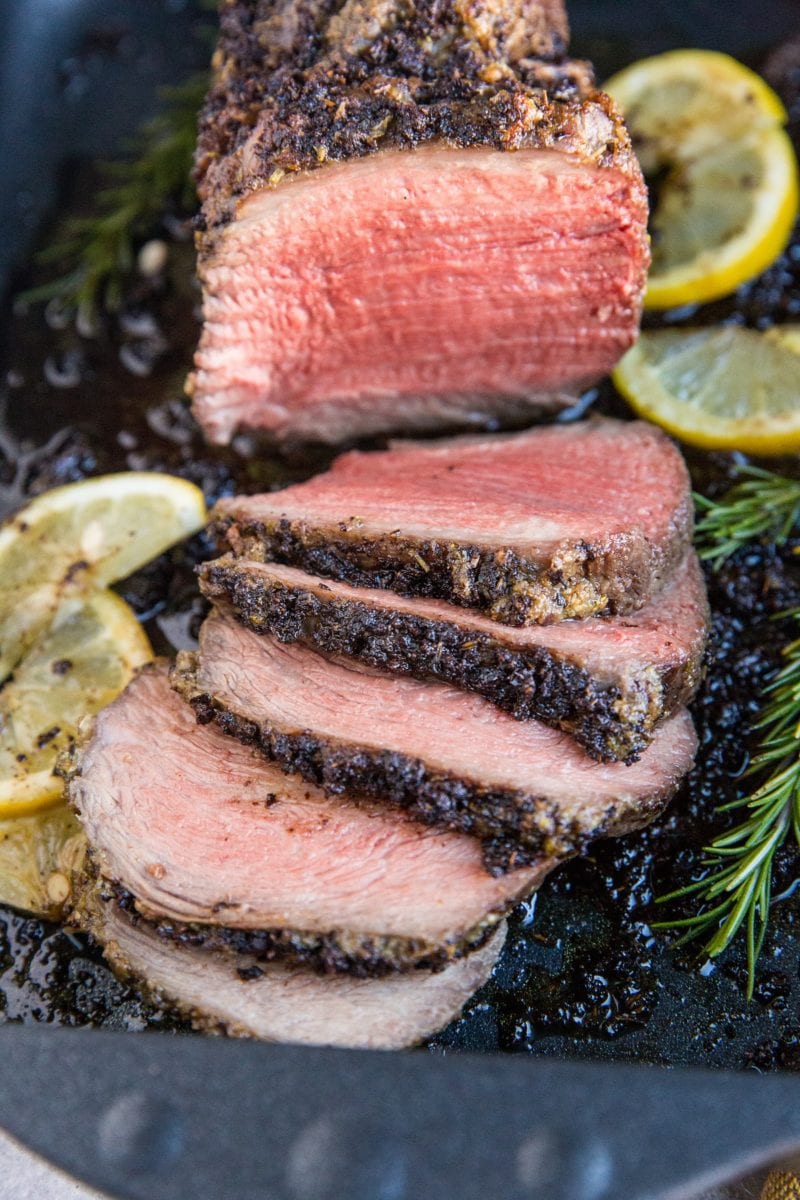
You’re looking at the juiciest, most flavorful garlic herb beef roast recipe the internet has to offer!
It all starts with a mouth-watering delicious garlic and herb-infused compound butter.
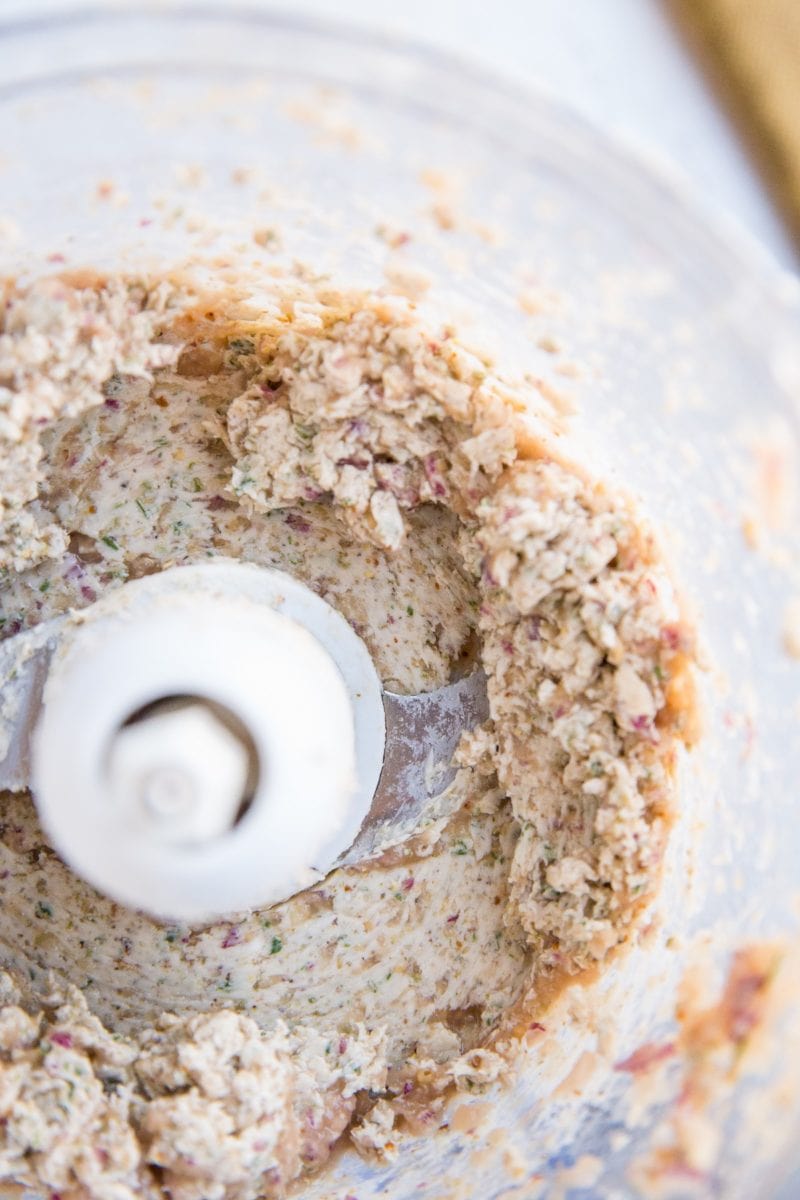
We simply blend the ingredients for the garlic herb compound butter in a food processor. If you can make a smoothie, you can make this love grease, I promise!
We then slather the beef roast in said magnificent concoction, and the beef gets roasted to our desired level of doneness. That’s it! The end result is just so lavish with tender texture and creamy buttery herby beefy flavors.
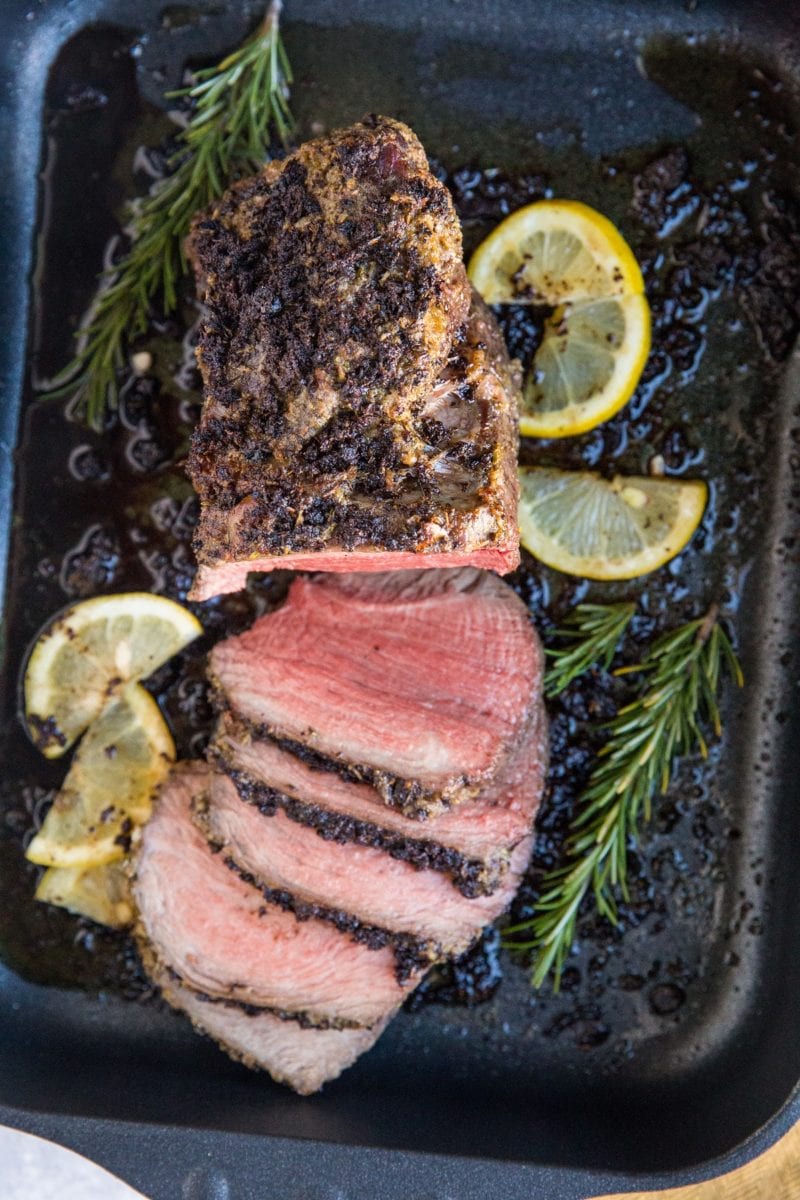
Tip For the BEST Roast Beef:
If you have the time, dry brine the beef roast for 24 hours before cooking. This yields the most flavorful, tender, show-stopping result.
To dry brine beef, simply sprinkle the roast with coarse sea salt and place it on a plate (or baking sheet). Refrigerate it overnight, leaving it open to the air in your refrigerator. There’s no need to cover it.
If you don’t have a full 24 hours, no sweat. Even 1 hour makes a difference!
This process allows salt to penetrate the meat deeper than it otherwise would when sprinkling it just before baking. The roast turns out with beefier flavor and is more tender!
How to Make Garlic Herb Roast Beef:
If you can, dry brine the beef roast overnight. To do so, simply sprinkle the whole roast with sea salt (a coarse grind is best if you have it) and place it on a plate. Refrigerate uncovered (open to air) overnight, ideally 24 hours before roasting. This process allows the salt to penetrate deeply into the meat, resulting in a more tender and flavorful result.
Note: if your roast comes with netting around it, remove the netting and discard.
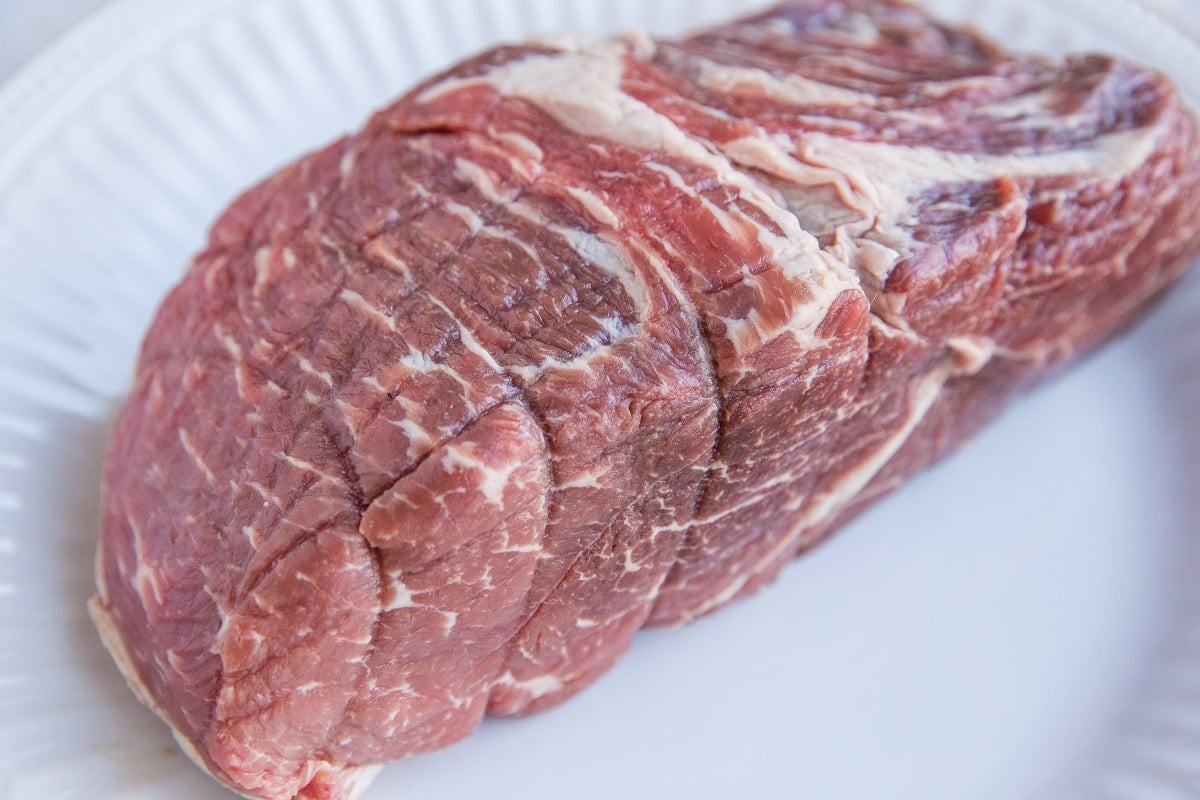
If you don’t have time to dry brine the roast, no sweat! It will still turn out great.
Take the roast out of the refrigerator 30 minutes before roasting (if you have time) to bring it closer to room temperature.
Preheat the oven to 450 degrees Fahrenheit.
Add the butter, garlic, mustard, rosemary, oregano, and red onion to a food processor and process until creamy. Note: you may need to stop the food processor a few times to scrape the sides to make sure everything gets blended.
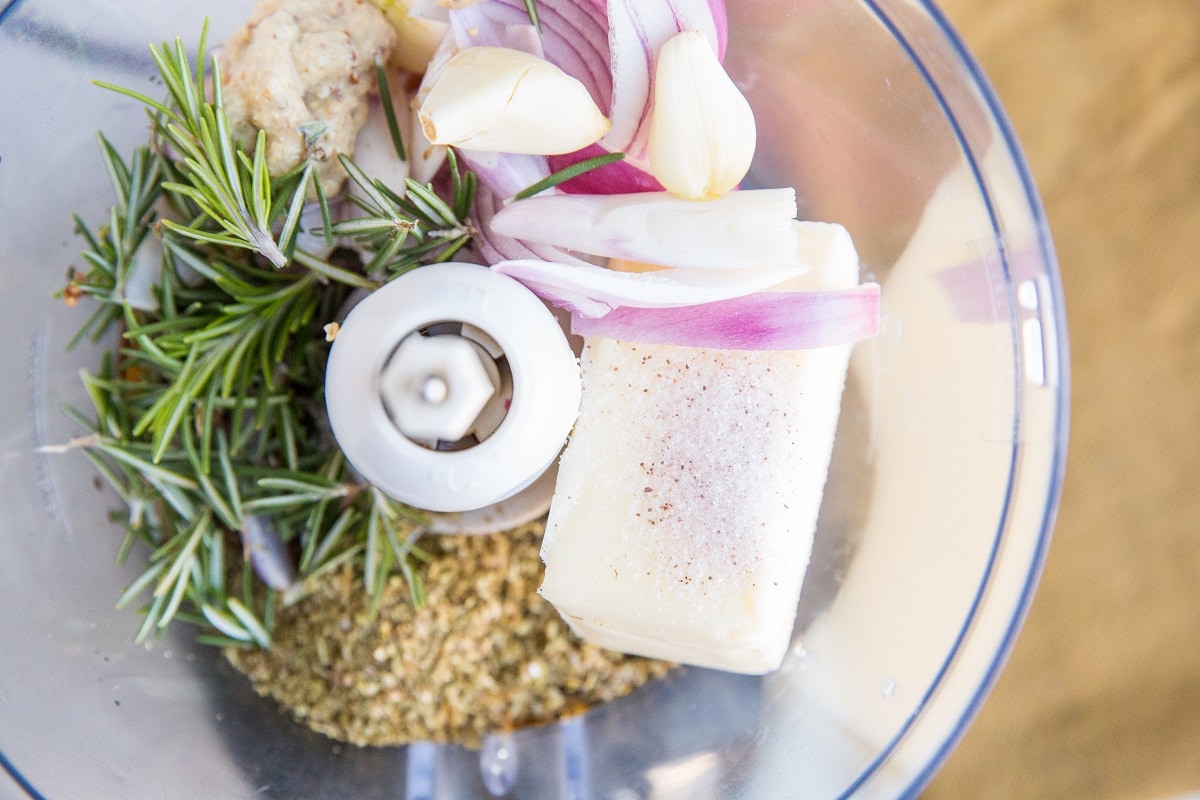
Rub all of the compound butter over the whole roast and place the roast in a casserole dish or roasting pan.
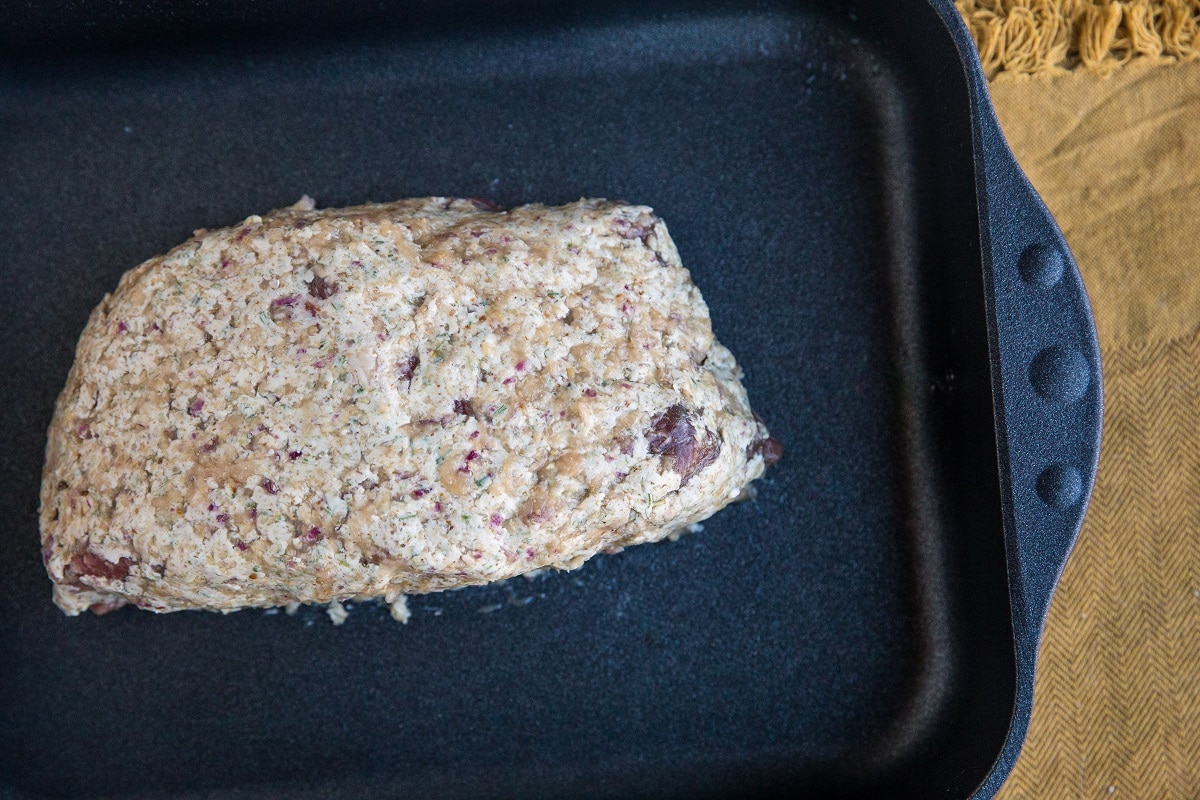
Roast at 450 for 10 minutes. Lower oven temperature to 300 and roast the beef for another 30 to 40 minutes, or until the internal temperature reaches 130 to 135 degrees F for medium-rare, 140 degrees for medium, or 150 degrees for well done.
To ensure you get the doneness you’re looking for, be sure to use a quality meat thermometer!
Remove the roast from the oven and allow it to sit for 20 minutes before slicing and serving.
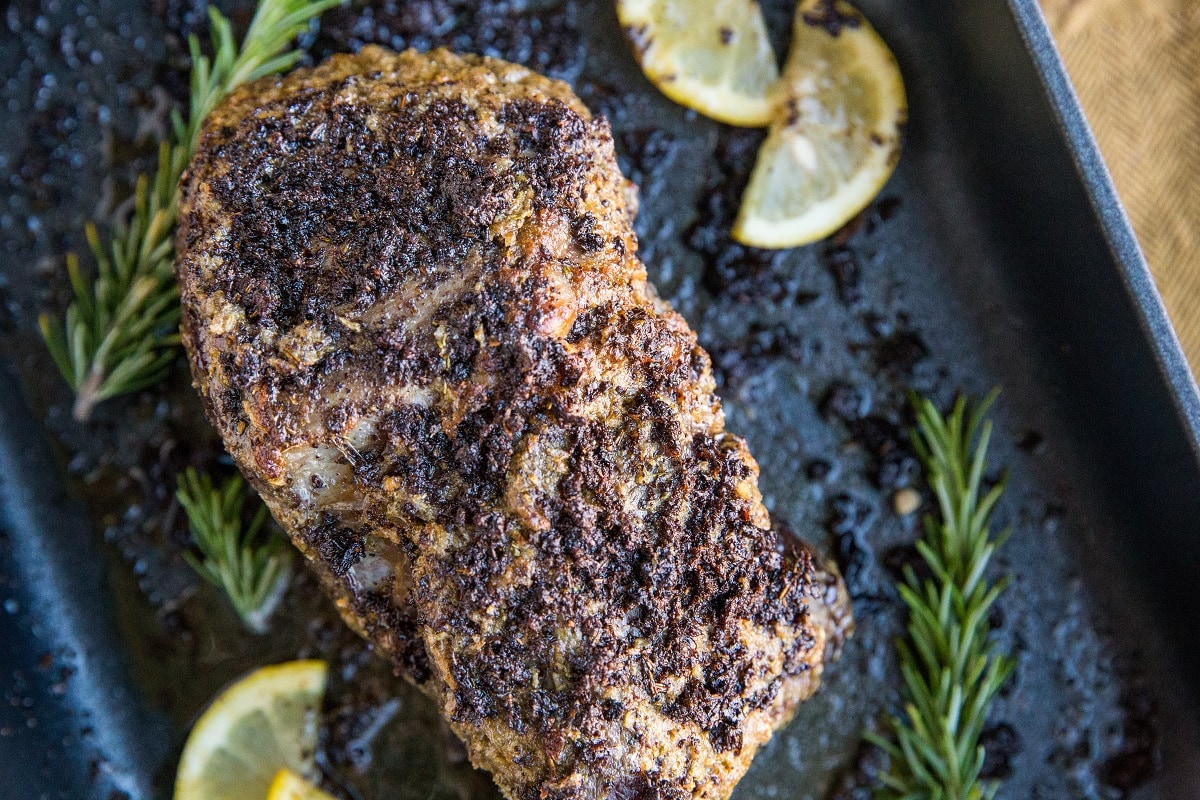
Serve with your choice of side dishes and enjoy!
Cooking Temperatures Roast Beef:
What temperature to cook roast beef? These are the temperature ranges for each level of doneness.
- Medium rare: 130-135°
- Medium: 135-145°
- Medium well: 145-155°
How Long to Cook Roast Beef:
Bake roast beef at 450 degrees for 10 to 15 minutes, then lower the oven temperature and bake for another 30 to 60 minutes, depending on the size of the roast and your desired level of doneness.
In this sense, the ballpark estimate of how long it takes to cook roast beef is between 45 minutes and upwards of an hour and a half.
For the most accurate read on whether or not your roast beef is done, insert a meat thermometer into the thickest part of the roast, pushing it until it’s halfway through the roast.
What to Serve with Roast Beef:
Here are some of my suggested side dishes to serve with roast beef.
- Mushroom Risotto
- German-Style Potato Salad with Caramelized Onions and Chives
- Creamy Cauliflower Casserole
- Healthy Green Bean Casserole
- Balsamic Roasted Vegetables
- Sautéed Brussel Sprouts with Butter and Garlic
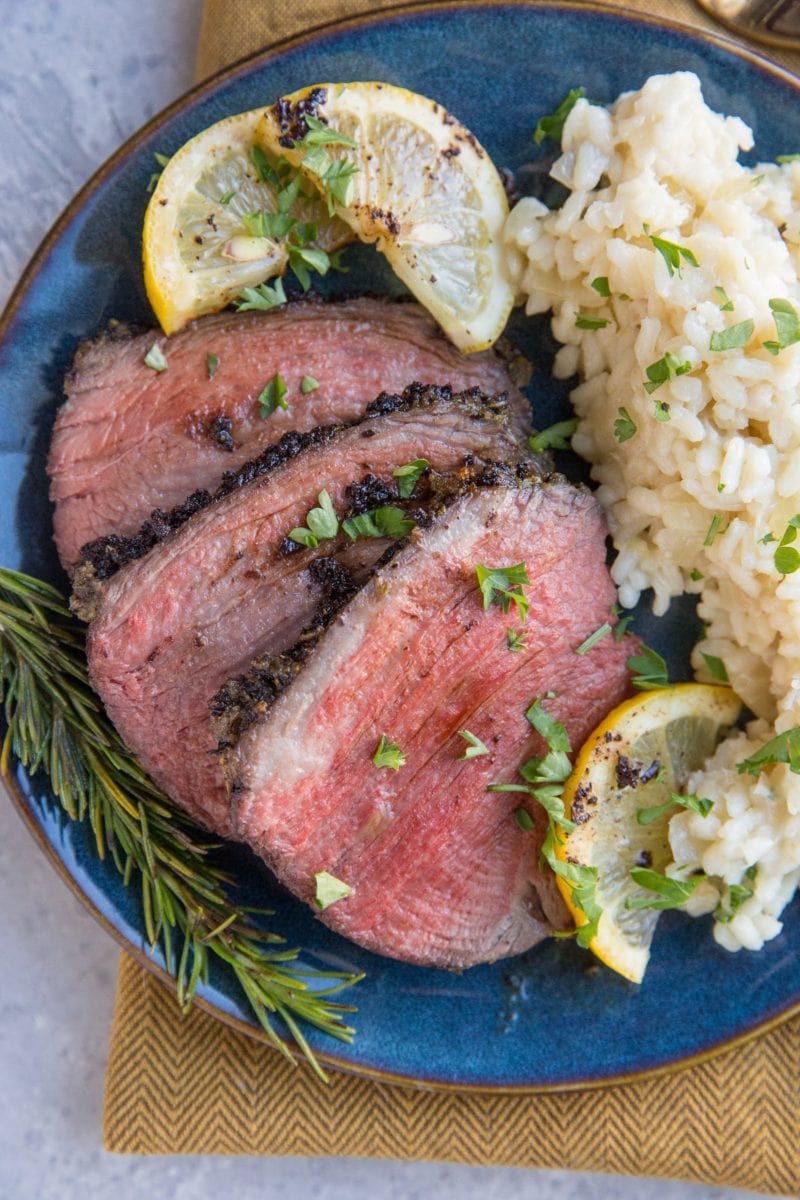
That’s it! Everything you need to know about cooking roast beef to perfection each and every time!
Garlic Herb Beef Roast Recipe
Ingredients
- 2 to 3 pound beef sirloin roast
- ½ cup ghee or unsalted butter*
- 3 cloves garlic
- 1 Tbsp stone ground mustard or lemon zest
- ½ red onion, chopped
- 1 sprig fresh rosemary
- 1 Tbsp dried oregano
- 1/2 tsp sea salt, to taste
Instructions
- If you can, dry brine the beef roast overnight. To do so, sprinkle the whole roast with coarse sea salt (regular sea salt works too if you don't have a coarse grind.) and place it on a plate. Refrigerate uncovered (open to air) overnight, ideally 24 hours before roasting. This process allows the salt to penetrate deeply into the meat, resulting in a more tender and flavorful finished product. If you don’t have time to dry brine the roast, no sweat! It will still turn out great.
- Take the roast out of the refrigerator 30 minutes before roasting (if you have time) to bring it closer to room temperature.
- Preheat the oven to 450 degrees Fahrenheit.
- Add the butter, garlic, mustard, rosemary, oregano, and red onion to a food processor and process until creamy. Note: you may need to stop the food processor a few times to scrape the sides to make sure everything gets blended.
- Rub all of the compound butter over the whole roast and place the roast in a casserole dish or roasting pan.
- Roast at 450 for 10 minutes. Lower oven temperature to 300 and roast the beef for another 30 to 40 minutes, or until the internal temperature reaches 130 to 135 degrees F for medium-rare, 140 degrees for medium, or 150 degrees for well done.
- To ensure you get the doneness you’re looking for, be sure to use a quality meat thermometer!
- Remove the roast from the oven and allow it to sit for 20 minutes before slicing and serving.
- Serve with your choice of side dishes and enjoy!
Notes
Nutrition
Nutrition information is automatically calculated, so should only be used as an approximation.
Like this recipe? Rate and comment below!











For an older adult with high blood pressure, would it be ok to rinse the remaining salt from the dry brine off the meat before coating it with the butter mixture?
You could try that, but I’d say just go lighter with the salt or omit it entirely from the compound butter (in essence, use unsalted butter and don’t add any salt if that makes sense). As an alternative, skip the dry brining process and salt the butter to your personal taste. Either option will work for a lower sodium route 🙂