

This post may contain affiliate links. Read our privacy policy.
Perfect seared Lemon Garlic Sauteed Shrimp that results in a restaurant-quality dish for an impressive meal! This quick, versatile seafood dish is ready in 20 minutes or less!
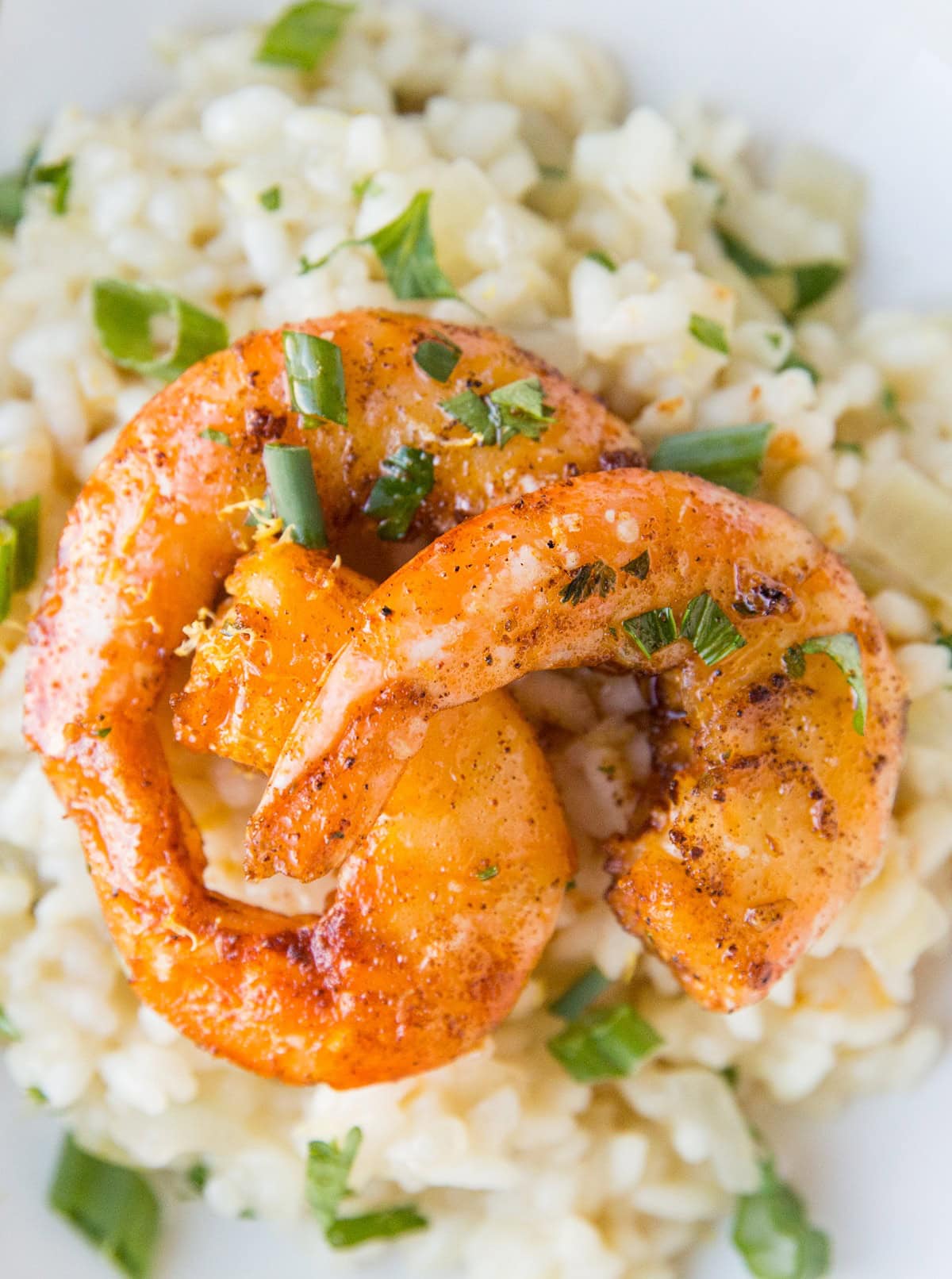
This basic to prepare sauteed shrimp recipe is here for those who want a magical shrimp experience without a lot of prep.
All we need is fresh shrimp, garlic, lemon zest and juice, cooking oil and butter to make this delicious dish.
Following this goof-proof recipe, you’ll end up with perfectly cooked shrimp that rival the fanciest restaurants, and you’ll nail it on the first try. This is one of those high return on investment recipes, where the outputs far exceed the inputs.
With a handful of simple ingredients, we’re left with a fancy dish that can triple as a main dish, a side dish, or an appetizer. Use it for shrimp pasta, or top your favorite grilled steak with it for a surf and turf theme.
Let’s discuss the simple ingredients for this dreamy lemon garlic shrimp recipe.
Ingredients for Lemon Garlic Sauteed Shrimp:
Raw Shrimp: The star of the show here, we need a pound of shrimp. You can either leave the shells and tails on or remove them. I prefer removing them beforehand, myself, for easy consumption. You’ll also want to de-vein the shrimp prior to cooking them if you didn’t buy deveined shrimp.
Avocado Oil: Because we’re searing the shrimp at a high temperature, we need a quality high-temperature cooking oil. I like using avocado oil due to its neutral flavor and high smoke point. Plus, it contains a good source of omega-3 fatty acids.
I don’t recommend using olive oil, because it burns around 300 to 350 degrees F and we sear between 400 and 500 degrees F.
Fresh Garlic: The ingredient that always makes everything pop, fresh garlic is here to serve as one of the predominant flavors.
Lemon Juice: The best sidekick to garlic, we need fresh lemon juice for that acidity to balance out the buttery flavors.
Butter: The rich, creamy goodness that makes these shrimp so undeniably great. Feel free to increase the amount to your personal taste.
Paprika: A little paprika adds a subtle smokey flavor, which brings a little nuance to the table.
Sea Salt: Season to taste with sea salt and black pepper.
Recipe Customizations:
- Skip the butter for a dairy-free option.
- For a kick of spice, add a little cayenne pepper or red pepper flakes.
- If you have fresh herbs such as fresh parsley, fresh cilantro, or fresh basil on hand, feel free to give them a chop and toss them in.
Now that we’ve covered the simple ingredients, let’s sauté up some shrimp!
How to Sauté Shrimp:
Begin by preparing the lemon garlic sauce. To do so, heat the butter in a small skillet over medium heat and add 1 to 2 teaspoons of avocado oil. The avocado oil prevents the butter from burning.
Add the garlic and sauté until very fragrant, about 3 to 4 minutes. Remove from the heat, stir in the lemon juice, and set aside while you cook the shrimp in another skillet.
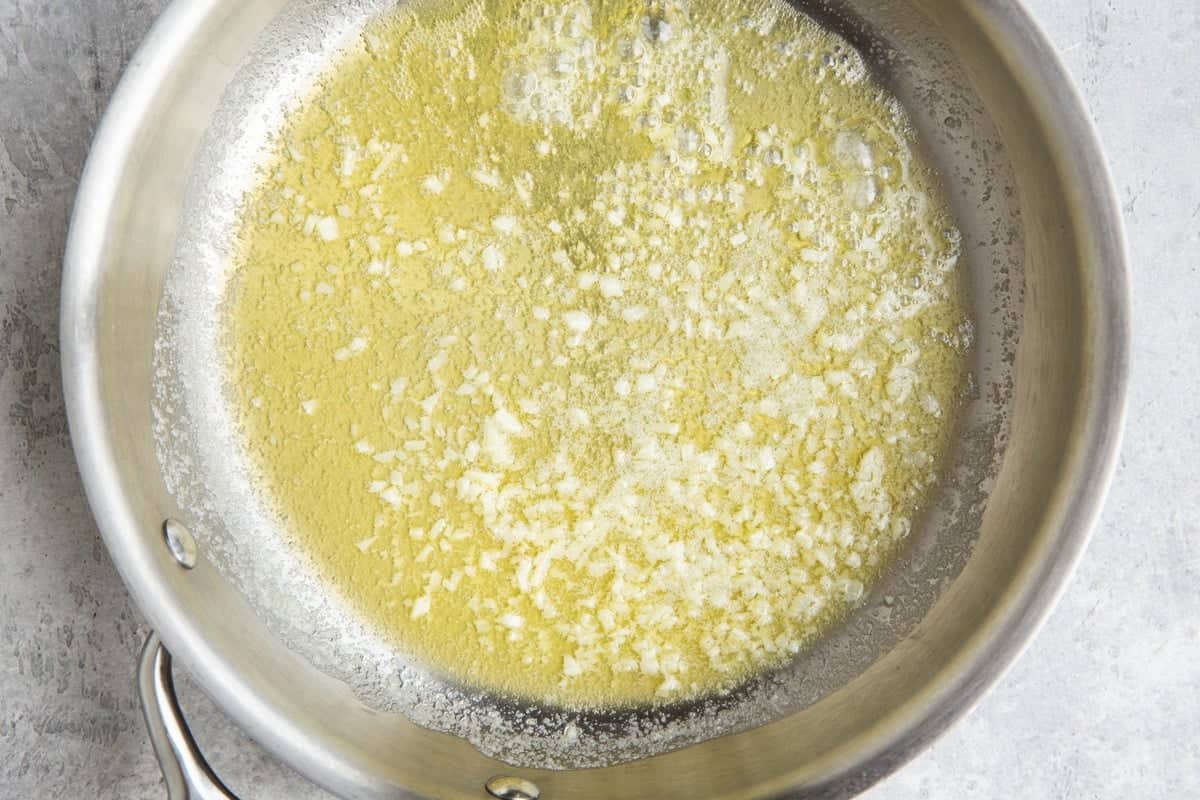
Tip: Avoid cooking this mixture over too high of a heat, as you don’t want the garlic or the butter to turn brown.
Heat the avocado oil in a large skillet and allow it to heat up to a sizzling point.
Add the shrimp and sprinkle with paprika and sea salt. Cook shrimp in a single layer for 1-2 minutes per side, or until both sides have a golden sear and the shrimp is cooked through.
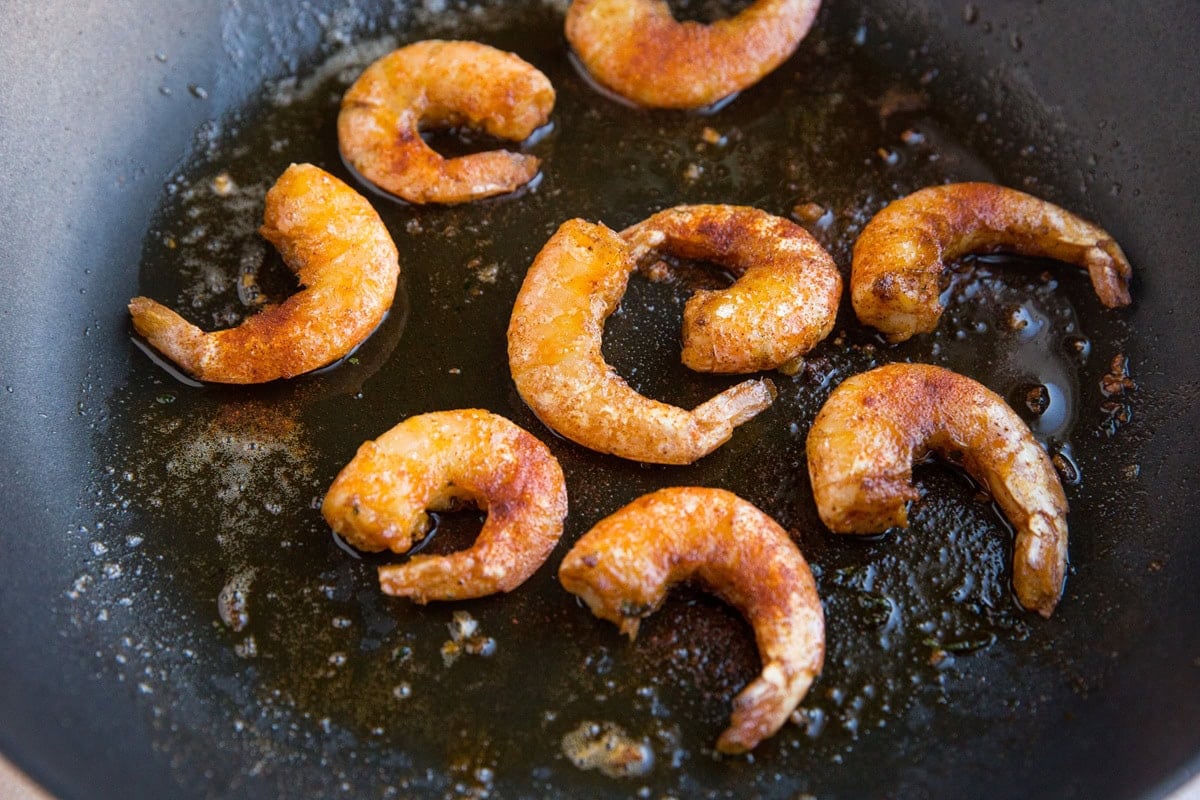
Remove from the heat and drizzle the lemon butter garlic sauce over the shrimp. Immediately serve the shrimp to get it off of the heat.
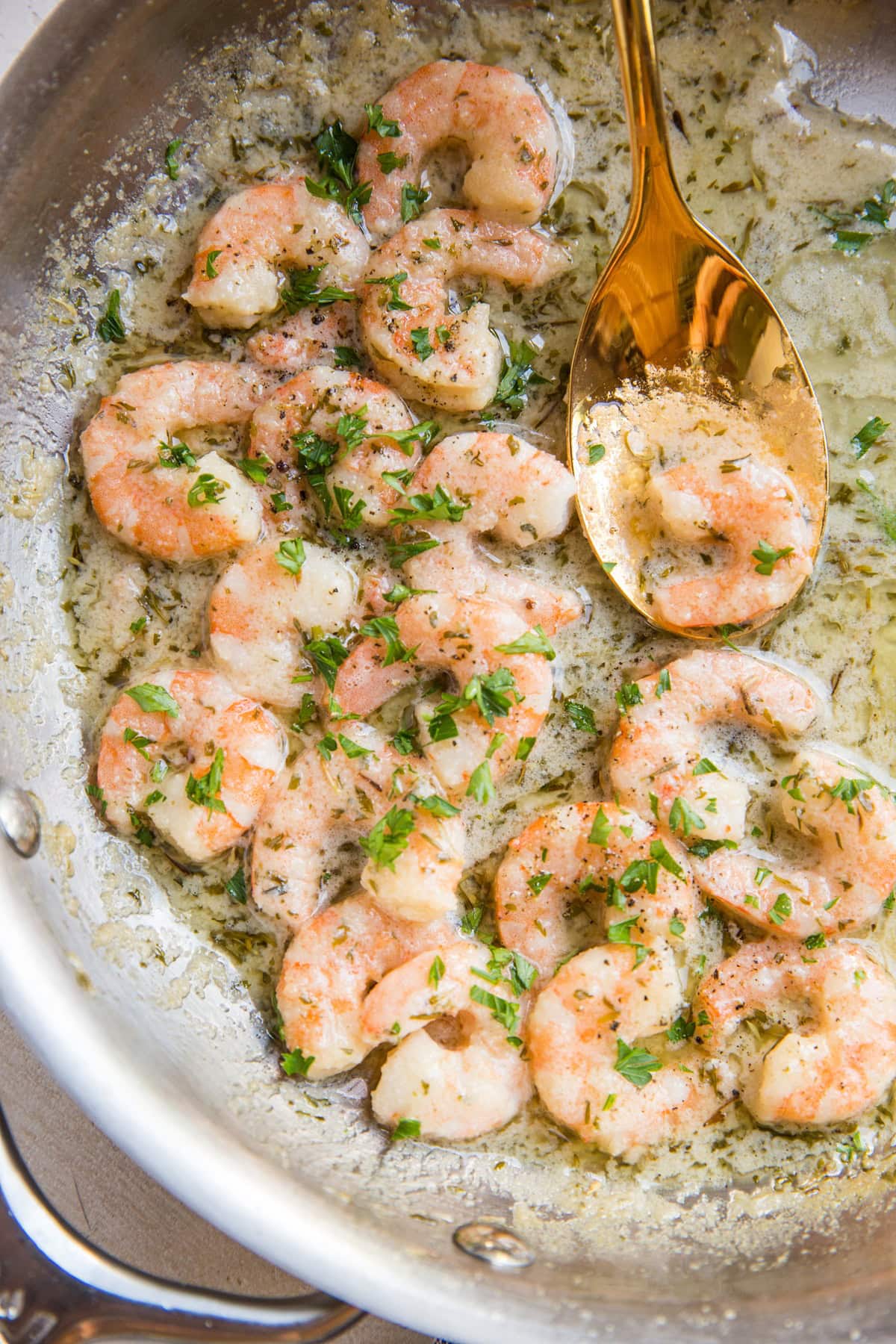
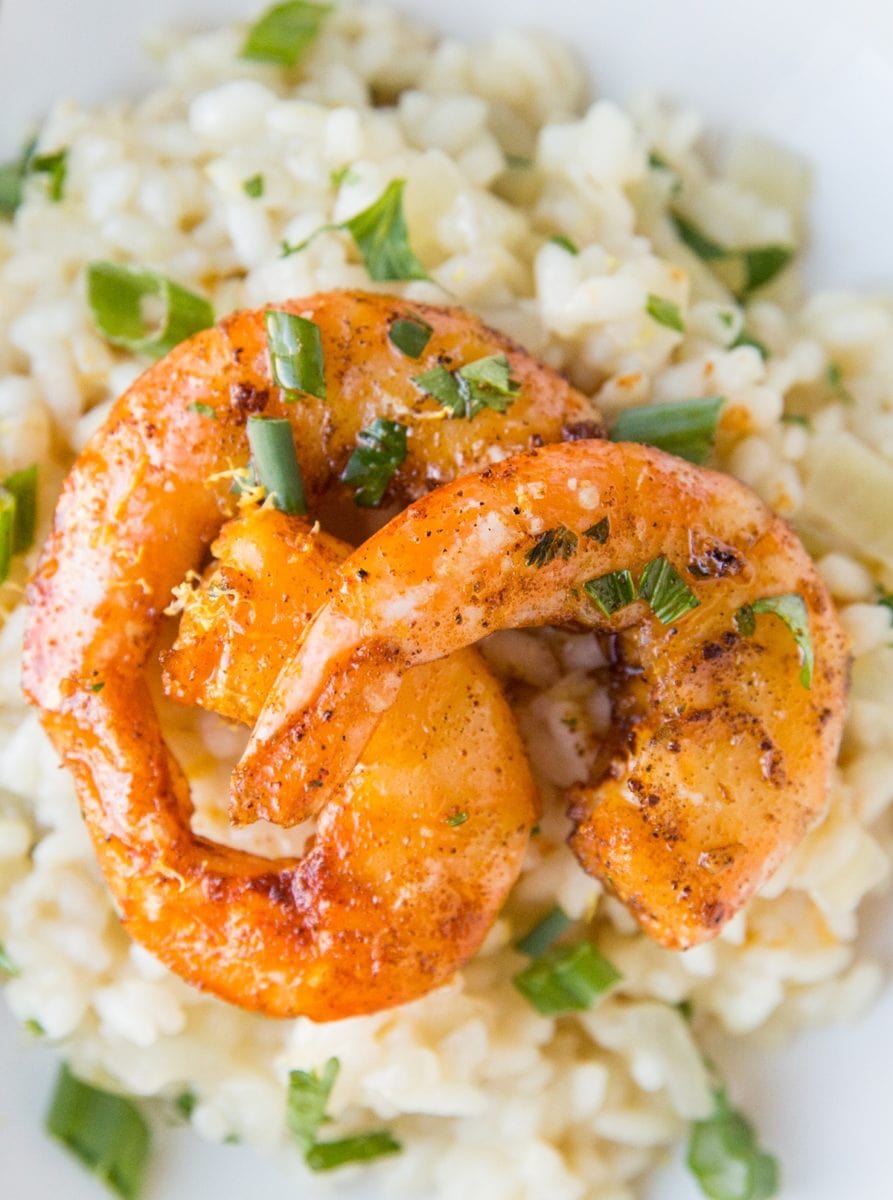
Serve the garlicky shrimp over pasta noodles (I recommend angel hair pasta), risotto, or spaghetti squash or cauliflower rice (for a low carb option) or with your favorite side dishes and crusty bread, and enjoy!
Store leftover shrimp in an airtight container in the refrigerator for up to 2-3 days. For the best results, I recommend only making what you intend to eat and serve, because shrimp is best when served fresh out of the skillet.
What to Serve With Shrimp:
Looking for side dishes to enjoy alongside your buttery shrimp? Here are some of my top recommendations.
- Crispy Greek Lemon Potatoes
- Mushroom Risotto
- Garlic Herb Roasted Vegetables
- Corn and Tomato Salad
- Edamame Salad
- Italian Salad
- Lemon Asparagus Risotto
Recipe Tips:
- Be sure to keep track of the time, because shrimp turns rubbery if it is cooked for too long. For this reason, be prepared to cook fast and thoroughly.
- For more sauce to make shrimp scampi, add ¼ cup of chicken broth, ¼ cup of dry white wine such as sauvignon blanc, and another 2 tablespoons of unsalted butter. You can use this sauce to toss with pasta noodles to make shrimp pasta, or serve over risotto or steamed rice.
- If you want to save time, you can add the butter and garlic to the skillet with the shrimp after the shrimp have seared on both sides. Be careful not to overcook the shrimp when exercising this option.
- Always cook shrimp in a single layer to ensure even cooking. Shrimp cooks quickly, so it is difficult to achieve the best results when the pan is overcrowded.
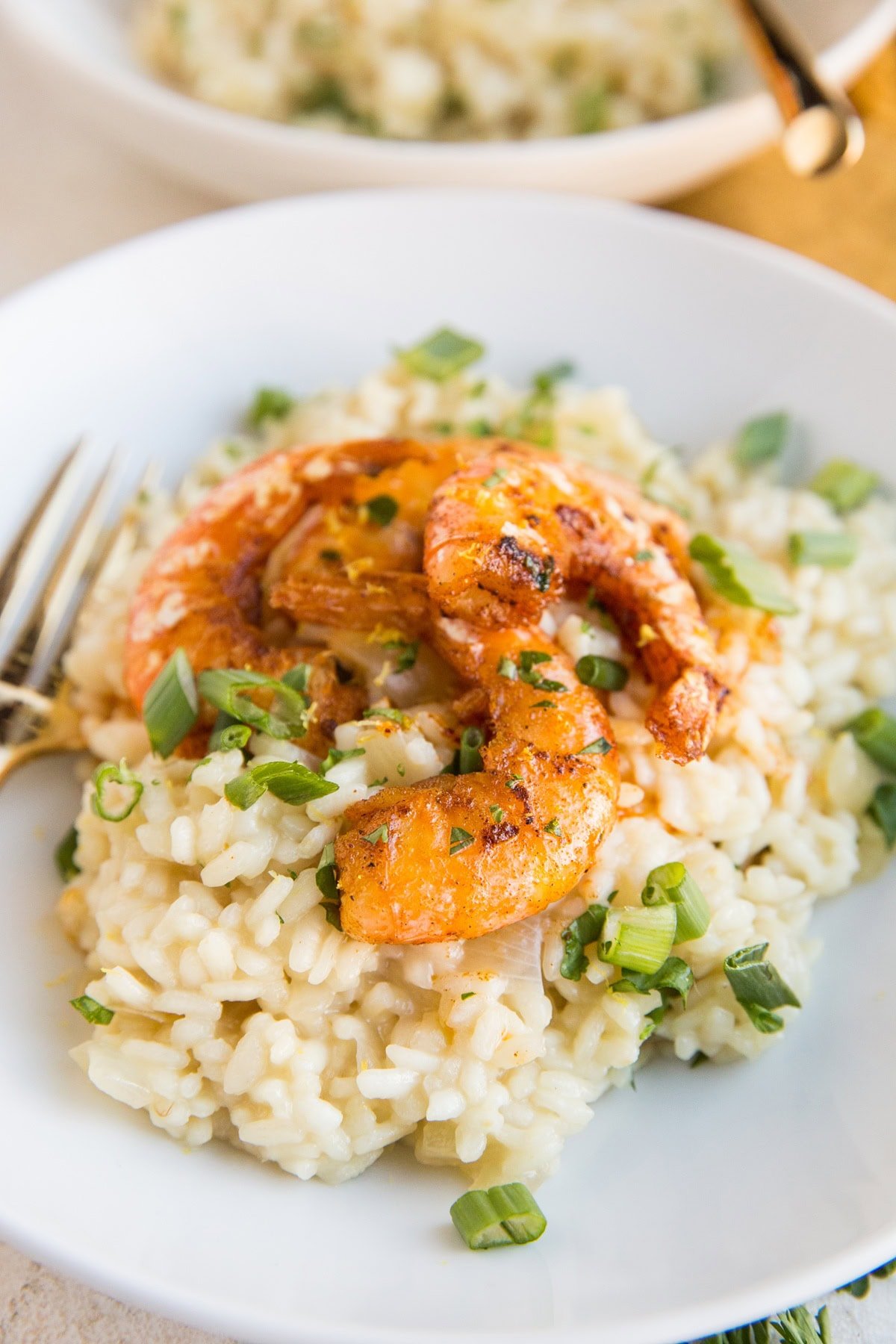
And that’s it! The next time you’re looking to add shrimp to your evening meal, bust out this fresh and flavorful little number. The short cooking time makes it ideal for busy weeknights, yet the amazing lemon butter sauce makes it suitable for fancy occasions.
If you love this lemon garlic shrimp recipe, also try these gems.
More Shrimp Recipes:
- Bang Bang Shrimp
- Healthy Honey Walnut Shrimp
- Mediterranean Shrimp Skillet
- Grilled Shrimp Skewers
- Lemon Garlic Foil Packet Shrimp
- Mediterranean Sheet Pan Shrimp
For your next romantic meal!
Lemon Garlic Sauteed Shrimp Recipe
Ingredients
- 2 Tbsp unsalted butter
- 3 cloves garlic, minced
- 1 pinch lemon zest
- 1 Tbsp fresh lemon juice
- 1 Tbsp avocado oil
- 1 lb raw shrimp, peeled and deveined
- ½ tsp ground paprika
- ¼ tsp sea salt, to taste
Instructions
- Begin by preparing the lemon garlic sauce. To do so, heat the butter in a small skillet over medium heat and add 1 to 2 teaspoons of avocado oil. The avocado oil prevents the butter from burning. Add the garlic and sauté until very fragrant, about 3 to 4 minutes. Remove from the heat, stir in the lemon juice, and set aside while you cook the shrimp in another skillet.
- Tip: Avoid cooking this mixture over too high of a heat, as you don’t want the garlic or the butter to turn brown.
- Heat the avocado oil in a large skillet and allow it to heat up to a sizzling point.
- Add the shrimp and sprinkle with paprika and sea salt. Cook shrimp in a single layer for 1-2 minutes per side, or until both sides have a golden sear and the shrimp is cooked through. Remove from the heat and drizzle the lemon butter garlic sauce over the shrimp. Immediately serve the shrimp to get it off of the heat.
- Serve the garlicky shrimp over pasta noodles (I recommend angel hair pasta), risotto, or spaghetti squash or cauliflower rice (for a low carb option) or with your favorite side dishes and crusty bread, and enjoy!
Nutrition
Nutrition information is automatically calculated, so should only be used as an approximation.
Like this recipe? Rate and comment below!
Frequently Asked Questions:
Cook shrimp over medium-high or high heat in a skillet for 1 to 2 minutes per side, or 2 to 4 minutes total. Larger shrimp might take slightly longer to cook. The best way to tell if shrimp is cooked through is if it is pink and opaque throughout.
Simply staying present throughout the cooking process and pulling the shrimp off immediately after it has finished cooking will prevent your shrimp from going rubbery.
While shrimp is fully cooked in 2-4 minutes, it has a little wiggle room before the texture changes, so don’t freak out if it goes a little too long.
Shrimp is cooked through when it reaches an internal temperature of 145 degrees F. To avoid over-cooking, pull shrimp off of the heat when it reaches 130 to 135 degrees F and allow it to sit to finish cooking off using residual heat.
Insert a digital thermometer into the center of one of the shrimp to check for doneness.
Yes. Fully thaw the shrimp, drain any excess liquid and pat them dry with paper towels before proceeding with the recipe.
I recommend using large shrimp or jumbo shrimp for the best results. This ensures they get a nice crust and absorb plenty of flavor. Small shrimp work too, although it is more difficult to cook them to a perfect sear because they cook so quickly.
Fresh shrimp always turns out tasting the best with the best texture. Pre-cooked shrimp won’t absorb as much of the flavor from the sauce, and will also turn out hard or rubbery, so I recommend skipping pre-cooked.










Delicious and light. I used orzo that I toasted first. I undercooked the shrimp and nestled them back into the the orzo once it was cooked. (I detest overcooked rubbery shrimp.)
Oooh, I love that! Your orzo idea sounds fabulous, and I also like the fact that you finished the shrimp off with the orzo to prevent over-cooking! Genius!
I really like your shimp
Why, thank you, Barbara!